Why Timing in the App Business Decides Everything – How I Almost Dominated the WhatsApp Sticker Market

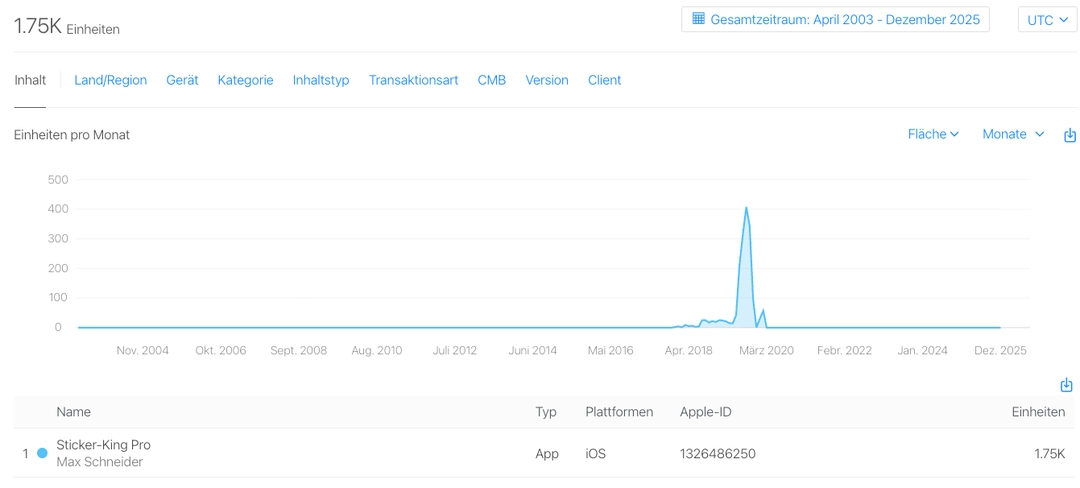
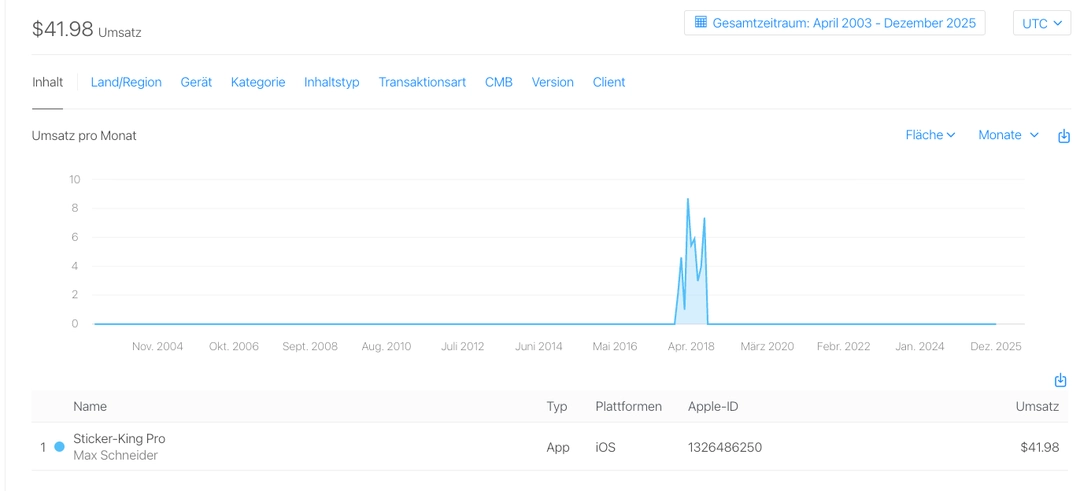
In 2018, I saw the opportunity of a lifetime: WhatsApp introduced stickers. I built an MVP, was more motivated than ever – and still too slow. What I learned about timing and the first-mover advantage.
The Moment I Saw the Opportunity
It was 2018. WhatsApp had just introduced the sticker feature – and something clicked in my head immediately.
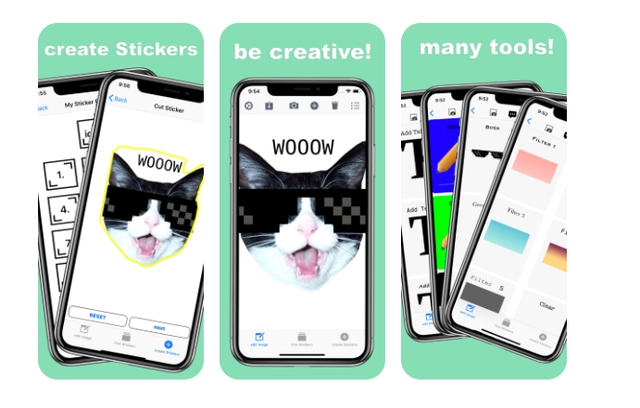 I was in my early 20s, had just gotten really good at programming, and suddenly saw a massive business opportunity right in front of me: A platform where anyone can quickly and easily create their own stickers for WhatsApp.
No complicated graphic software, no technical hurdles – just upload an image, crop it, done. This had to be a hit.
I was electrified. This was my moment.
Sticker King: My MVP in a Few Weeks
I started coding right away. Full hyperfocus, day and night. Sleep was optional, pizza was the main food group.
After a few weeks, I had a working MVP: Sticker King.
The app was technically solid. You could import images, remove backgrounds, create sticker packs, and export them directly to WhatsApp. I was proud. This thing was ready.
Or so I thought.
The Bitter Reality: I Wasn't Alone
What I underestimated: I wasn't the only one who saw this opportunity.
While I was sitting in my room as a one-man army, writing every line of code myself, entire teams elsewhere were working on the same idea. With more resources. With more people. And most importantly: with more speed.
By the time I was finally ready to launch, they were already there. Their apps were already in the stores, collecting downloads and building reach.
I arrived too late to the party.
Why the First-Mover Advantage Is So Brutal
Here's something I didn't understand back then: "In the app business, the first mover often gets a massive head start.
The first apps that rank for a new keyword in the stores can capture a large share of organic downloads. They collect the first reviews, build social proof, and seem to be favored by the algorithm.
If you come in second or third, you're fighting against a wall. You can be technically better, have nicer design, offer more features – but the users are already somewhere else.
That's the hard truth: When it comes to timing, every week counts.
I was maybe two or three weeks too slow. That was enough.
What I Really Did Wrong
Looking back, it wasn't just the lack of resources. I also made strategic mistakes:
I polished the MVP for too long
Instead of quickly launching a basic version and then iterating, I wanted everything to be "finished." I built features nobody needed – while the competition was already live.
I underestimated the market
I thought I had more time. I thought a good app would prevail. But in a new market, the best doesn't always win – often the fastest does.
I was alone
As a solo developer, you're limited. You can't code, design, do marketing, and prepare the launch all at the same time. A team would have made the difference.
The 4 Lessons I Took Away
1. Fast beats perfect
Better to launch a good product quickly than to polish the MVP too long while the competition is already out there. You can always improve after launch – but you can't reclaim a lost market.
2. The first-mover advantage is real
Especially with new features or trends: Whoever gets there first, wins. Not always, but often enough. If you see an opportunity, act immediately – not next week.
3. Coding alone vs. launching with a team
I learned how big the difference is. As a solo developer, you can build great products – but when the market moves fast, you're at a disadvantage. Today, I ask myself with every project: Do I need support?
4. Recognize when the train has left
Sometimes first place is decisive. If you missed it, it might make more sense to pivot early rather than keep burning resources. Not every race is worth running to the end.
What If?
Sometimes I think about it: What would have happened if I had launched two weeks earlier?
Maybe Sticker King would be a successful app today with millions of downloads. Maybe I would have made my first real income as a developer with it. Maybe my entire path would have been different.
But "maybe" doesn't help. What counts is the lesson.
Conclusion
With Sticker King, I almost conquered the WhatsApp sticker market. But "almost" isn't enough.
The experience was painful, but it shaped me. Today, I act faster when I see an opportunity. I launch earlier, even when not everything is perfect. And I know that timing is sometimes more important than talent.
Because in business, the best doesn't always win. Often the fastest does.
If you're sitting on an idea right now, waiting until everything is "ready" – stop waiting. The competition isn't sleeping.