My First App Flop: 6 Months of Work, $5 Revenue, Depression

6 months of game development, $5 in revenue, and complete burnout. Why I never build apps anymore without testing the market first – my biggest lesson as a 19-year-old.
Note: This article describes my personal experience with burnout and depression. If you're struggling with similar feelings, please consider talking to a mental health professional.
6 Months of Work, €5 Revenue: What I Had to Learn About MVPs
5 euros. That was my total revenue after 6 months of work. Probably my mom bought the game.
I want to talk about my biggest flop today. Not for pity – but because I believe many of you are making the exact same mistakes I made back then.
6 months of non-stop work. 5 euros earned. Then completely burned out and depressed.
Let me tell you the story.
From the Candy Crush Dream to Burnout
On September 17, 2020, I launched my first mobile game: City Blast Match 3. I was 19 years old and had worked on it almost around the clock for 6 months.
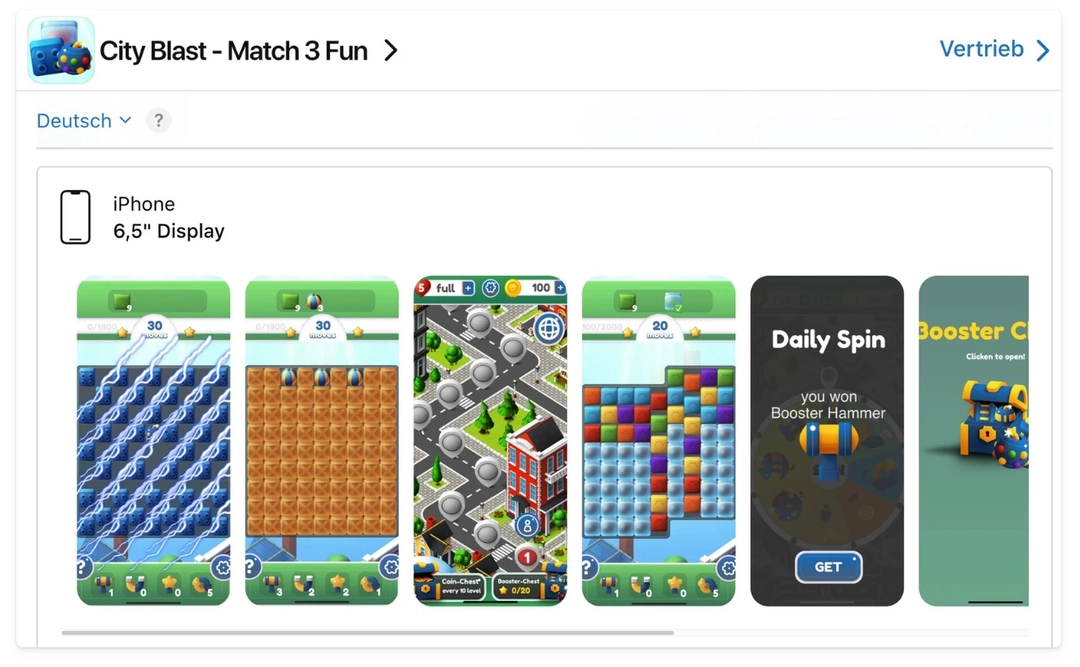
My dream was clear: I wanted to build the next Candy Crush. I imagined how the game would blow up – charts, millions of downloads, success stories.
I pictured downloads exploding. Finally proving I had what it takes. The big breakthrough.
The Brutal Reality
One month after launch: 5 euros revenue.
In that moment, my world collapsed. I was so disappointed and devastated that I impulsively deleted the entire project – no backup, no thinking. Just gone.

After that, I slipped into a really dark phase. I was burned out, depressed, and had no energy left for anything.
What Was the Real Problem?
Today I know: The game wasn't the problem.
The problem was – I had zero clue about business.
I could code. Sure. I knew how to build software. But building a product that people actually want and would pay for? No chance.
I thought good code = success. That was naive.
The 3 Hard Learnings That Changed Everything
1. Test Before You Build – Not After
I spent 6 months building in a dark room. No feedback. No testing. Nothing. I just hoped it would work.
I would never do that again today.
You can never be 100% sure – but building blindly for months without knowing if anyone is even waiting for it? That's the surest path to failure.
What I do today: Before I write a single line of code, I test the idea. I talk to potential users. I ask about their problems. I validate whether they would even be willing to pay.
48 hours of validation can save you months of wasted work.
2. Without Marketing, You Don't Exist
I had 0 euros budgeted for marketing. I thought: "If the game is good, people will find it."
That's bullshit. One of the biggest illusions ever.
A good product isn't enough. Without attention, you're invisible. You can build the best game in the world – if nobody knows about it, nobody cares.
What I know today: Distribution is more important than the product itself. Better a mediocre product with good distribution than a perfect product nobody knows about.
3. MVPs – But Properly Understood
Today I only build MVPs. But an MVP doesn't mean "ship half-finished stuff."
An MVP is the minimum that shows whether your business can even work. It's not about launching something quickly – but learning quickly whether the core idea works.
And that's where focus comes into play.
The Real Problem Today: Too Many Possibilities
We live in a time where you can build entire SaaS products in weeks with tools like Cursor. New features? Done in a day.
Everything feels possible.
And that's exactly the problem.
Just because you can build it doesn't mean it will move your business forward.
I thought for a long time: "If I just build enough features, it'll be successful."
Wrong.
Features are rarely the bottleneck. Traffic is. Trust is. Distribution is.
Before I build 10 new features, I need users first. A blog post moves me forward more than any new feature. Because without users, even the best product is worthless.
The Mental Pressure Nobody Talks About
What almost destroyed me more than the flop was the pressure in my head.
Because everything moves so fast today, you think: "Then it has to work quickly too."
I told myself:
- This product HAS to work
- I HAVE to become financially independent with it
- If it doesn't work, I'm a failure
These thoughts completely blocked me.
Then there was this illusion of control. I wanted to force everything. Growth, success, results.
The more I tried to force it, the more I lost myself.
What I Do Differently Today
I'm slowly learning to let things go. Not trying to control everything. Accepting that it takes as long as it takes.
I do my best. That's all I can do.
It's not just about the end result. It's about the journey.
Being satisfied with where you are right now. Being grateful for what you get to learn. Taking one small step forward each day.
I also believe you can thank God for everything – even for the flops. For the lessons. For the growth that only comes through failure.
If you don't accept that, this pressure will eventually drive you to burnout: "I should have been a millionaire by now."
The sooner you understand it's a journey, the healthier you'll stay on it.
Conclusion: Fail Early, Learn Fast
My first game was a complete flop. 6 months of work. 5 euros revenue. Depression.
But it was one of the most important lessons of my life.
Would I do it the same way today? Never.
But without that experience, I wouldn't be who I am today.
The key takeaways:
- Test before you build – 48 hours of validation > 6 months of blind work
- Marketing is not optional – Distribution often beats quality.
- Understand MVPs properly – Learn fast, not launch fast
- Focus over features – Building more ≠ more success
- It's a journey – Accept the pace, stay healthy on it
Fail early. Test fast. Keep focus.
And remember: It's not a sprint. It's a journey.
Are you building something right now and don't know if you should continue? Write me – I want to hear your story.